What's in a Landscape?
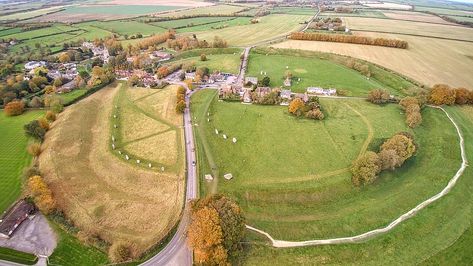
I spent yesterday experiencing the great ceremonial landscape that is Avebury, Silbury Hill and West Kennet. Sitting with a friend and talking atop the West Kennet Long Barrow the enormity of that landscape was laid out before us. Even though we could not actually see the distant henge, avenues and standing stones, it was very clear where they lie.
This landscape is well represented in William Stukeley’s 18th century map of the site copied here on this blog. Drafted at a time when many of the stones were being removed for road building and farm borders.
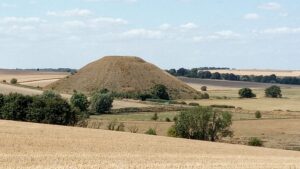
In 2026 we can only sit in awe of what was created across the landscape here. And we can only wonder at its function and real detail of what occurred here.
But can we actually just do that? Can we sit with the vagueness of that type of awareness?
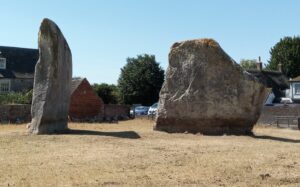
Today, we are presented with mere fragments. Shadows of what was. A relatively small number of remaining stones still stand (albeit those that remain are still incredibly impressive), archaeological fragments and carbon dated remains form the basis of many wide-ranging theories, from archaeological, to the astronomical, to super-imposed pseudo-quantum confabulations and the obligatory far-fetched, and downright woo-woo.
The point is we simply do not know, and so in practice we extrapolate, creating coherent theories founded our (often already biased) projections.
We can barely imagine wh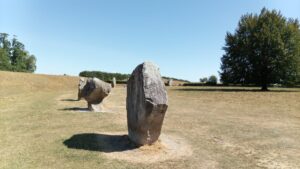 at it must have been like with all those stones standing, surrounding the heart of the complex and then stretched out across the landscape. And with the striking white of great henge (much deeper than it is today) which had been dug out of chalk that underlies the site.
We dream up our histories and practices and in so doing do, how often do we then rush to name and conceptualise? As is without purpose it simply has no meaning. Just being there is simply never enough.
How many there seek for their palms to be crossed with silver, before they recount the accepted wisdom and oft-repeated jokes laid out within their guide’s script?
The likelihood of some kind of ritual across this landscape is probable and this obviously brings us into the perceived realm of religious practice. For why, how or what, we can never know. In making any connection with religious practice we often unconsciously project back on to it our own contemporary understanding of religion. With further judgement supplied in the shape of theological credo.
This makes me then reflect on comparisons with David Lewis-Williams’ three foundations of religious practice (“Conceiving God” 2005), being: experience, practice and belief. An important part of this foundation being the individual experience which is significantly lost it today’s religious practice. We have sub-contacted our own connections to the divine to those in cassocks and collars. We are willing to let them call the practice and frame our beliefs.
We have lost the “experience.” We have lost that personal connection with the divine.
And it is the same when we visit places such as Avebury. We lose ourselves in the search for an unfathomable “why” and in so doing lose any actual real sense of place.
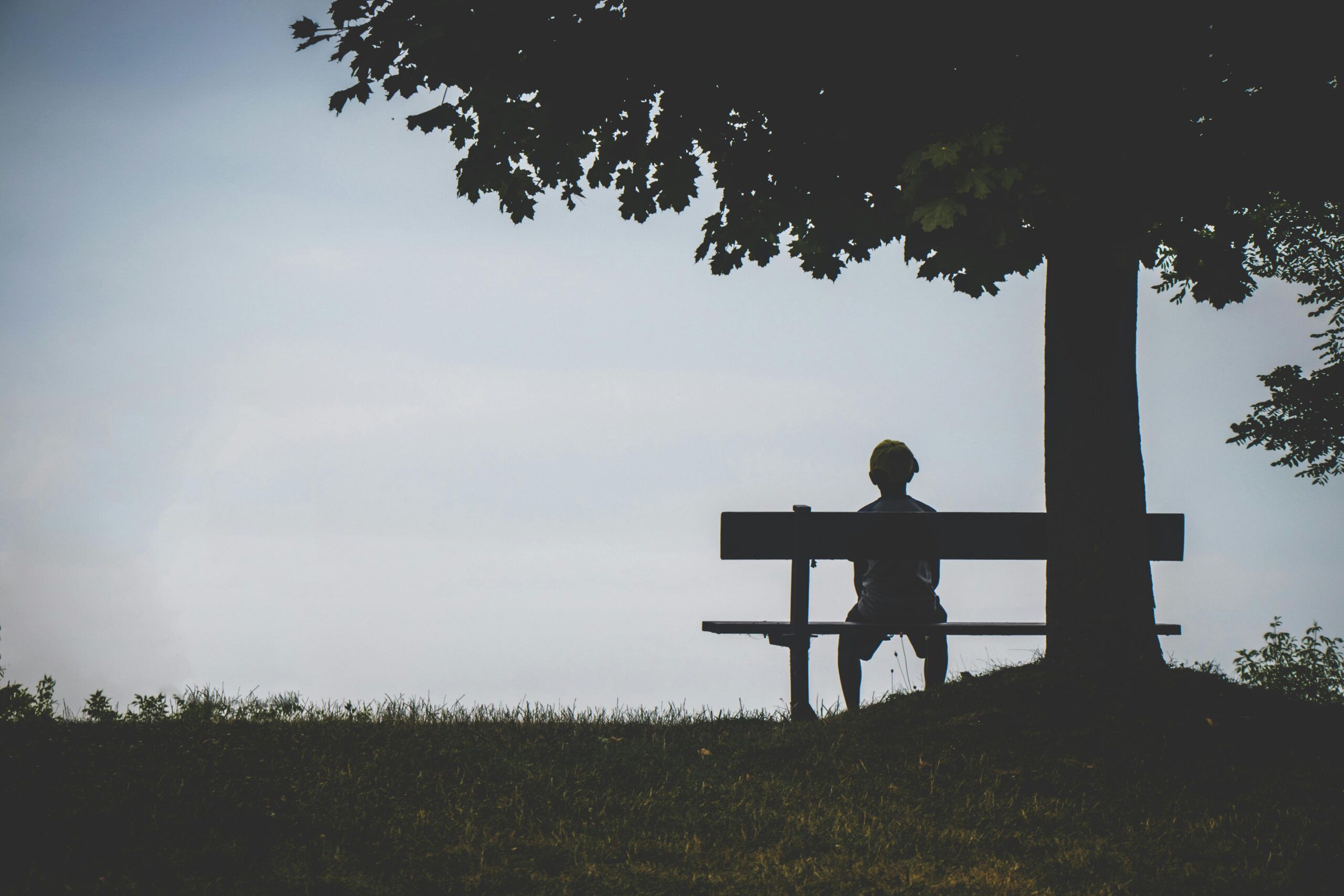
In practice there is an invitation to just sit with how it is and what is there in front of us. What if we were to just give ourselves permission to sit with that. To sit in awe and to wonder. To give ourselves permission to just appreciate. To give the left-brain story telling the day off, and explain that we do not need its narrative. We just want to experience what is here, right now, in front of us.
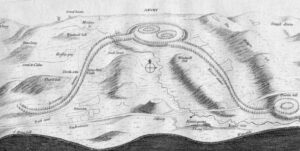
(I do not own this image of Stukeley's map).